
How Can AI Email Marketing Help a Local Business Stay in Touch?
Table of Contents
Past customers forget faster than you think
The best emails are useful before they sell
What AI email marketing should not do
A simple email plan you can keep
The first pain to fix
What better looks like
A practical playbook for past customer email
How to keep email follow-up from fading
FAQ
Related Reading
AI email marketing helps a local business stay in touch by keeping past customers warm with useful, well-timed notes — not by blasting the list the moment sales slow down. Used well, it quietly protects revenue you already earned the right to reach.
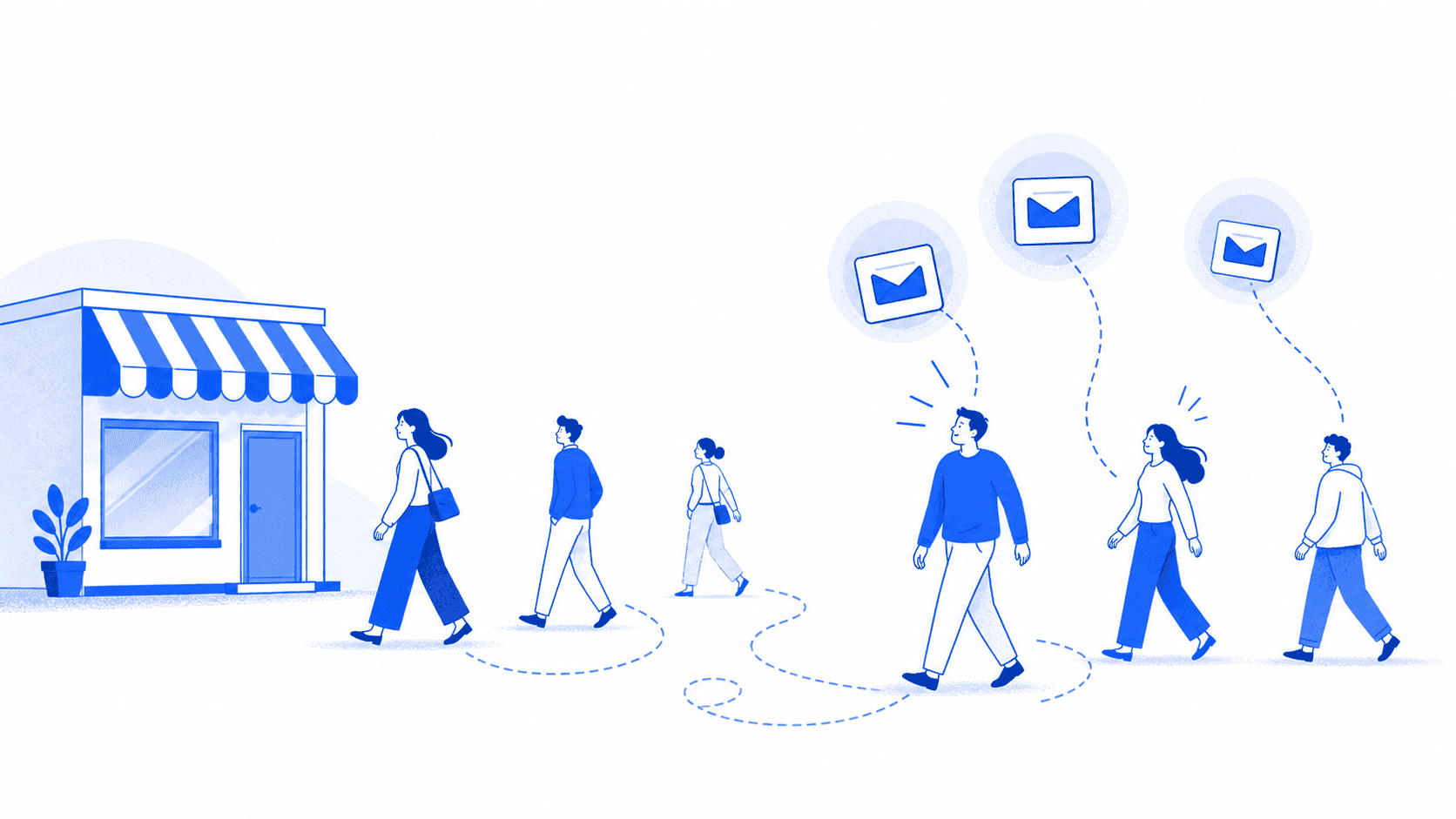
A quiet list is not the same as a bad list.
Most local businesses have more relationship value sitting in old customers, old leads, and past referral sources than they realize. The problem is that nobody hears from you until the business needs something.
That is where AI email marketing can help, if you use it the right way. The goal is not to send more noise. The goal is to stay useful often enough that people remember you before they need you again.
Past customers forget faster than you think
A homeowner who loved your service last year may not remember your name when a neighbor asks for a recommendation. A past real estate client may not think of you when a friend is selling. An insurance client may start shopping because the renewal feels confusing. A dental patient may put off scheduling because nobody gave them a reason to act now.
Past customer follow-up is not just polite. It protects revenue you already earned the right to reach.
Email marketing for local business works because it lands in a place people still check. It does not depend on an algorithm deciding whether your post gets seen.
The best emails are useful before they sell
A good customer newsletter should make one clear point.
Tell customers what to watch for this season. Explain a common mistake. Give a timing reminder. Share a practical way to avoid a bigger problem. Bring a local update back to their world.
Do not cram every offer, announcement, and thought into one message. That makes the email easier to ignore.
MoMail is relevant because it creates newsletters and email campaigns. If your list lives in Mailchimp, the Mailchimp integration helps connect the content workflow to Mailchimp campaigns.
What AI email marketing should not do
It should not pretend to be personal when it is not. Customers can feel fake warmth.
It should not send aggressive lead-response emails. MoFlo is not a speed-to-lead tool, and your customer newsletter should not act like one. It should not write dramatic subject lines that train people to distrust you.
It should help you create steady, useful communication. That is enough.
A local business does not need to sound like a national brand. You need to sound like the person who understands the customer’s timing and problem.
A simple email plan you can keep
Use four email types.
Send seasonal reminders before demand spikes. Send education notes that answer common questions. Send re-engagement notes to people who have not bought in a while. Send offer emails when the offer is actually useful.
That gives you a steady rhythm without turning every message into a pitch.
If you also publish blogs, use the blog as the deeper answer and the email as the short version. If you post on social, reuse the same idea in a lighter format. That keeps the message consistent without making you write from scratch.
The first pain to fix
The first pain is silence after the sale. A customer buys once, has a good experience, and then hears nothing for a year. By the time they need help again, your name is not the easy one to remember. Past customer follow-up fixes that before the relationship goes cold.
What better looks like
Better looks like a customer newsletter with a clear rhythm. One month might be a seasonal reminder. Another might explain a common mistake. Another might point to a useful blog. Mailchimp email campaigns work best when the message already has a reason to exist. The platform sends it, but the value is in the timing and point of view.
A practical playbook for past customer email
Open your customer list and group people by what they would actually care about next: recent buyers, older customers, referral partners, and leads who went quiet. Do not write one giant message for everyone if the reason to care is different.
Write one short note that answers a practical timing question. For a local business, that might be when to book, what to check before a season changes, or what to do before a small issue gets expensive.
Check replies, clicks, unsubscribes, and direct bookings. If nobody reacts, the topic was probably too broad or too sales-heavy.
How to keep email follow-up from fading
Do not judge email by whether every note creates an immediate sale. A healthy list shows smaller signs first: replies, forwarded questions, customers mentioning the email, and people booking because the timing made sense. If the only emails you send are discounts, the list learns to wait for discounts. Mix useful reminders with occasional offers so the relationship does not become purely transactional.
For a local business, the test is whether the email would make sense to someone who already knows you. A past customer does not need a big brand speech. They need a reminder, a useful answer, or a reason to book again before the problem becomes urgent.
FAQ
How can AI email marketing help a local business? It can help create useful newsletters and campaigns so past customers hear from you more consistently. The value comes from relevance and timing, not volume.
What should local businesses email about? Send reminders, education, seasonal advice, answers to common questions, and occasional offers. Keep each email focused on one idea.
Is email still worth it for small businesses? Yes. Email reaches people who already know you, which makes it one of the strongest places for repeat business and referrals.
MoMail helps create newsletters and campaigns you can export to Mailchimp. Start with MoMail, or check MoFlo Cloud if you want email tied to blog and social content.
Related Reading
Email Marketing
AI Tools
Back to all articles